Resistance Band Safety, Replacement, and Anchor Guide
Updated: May 9, 2026.
Resistance Band Buying Basics
Start with the full HealthGlean resistance band guide, then use these explainers to choose resistance levels, compare band materials, and replace or anchor bands safely.
Resistance bands are wear items. They stretch, dry out, nick, weaken, and eventually fail. A band that snaps under tension can hit the face, eyes, hands, or skin, and a bad anchor can turn the whole setup into a projectile.
Before Every Workout
- Inspect the full length of the band for cracks, nicks, thinning, sticky spots, discoloration, fraying, and uneven stretch.
- Check handles, clips, carabiners, stitching, ankle straps, and door anchors before loading them.
- Tug the anchor lightly before using real tension.
- Keep the band path away from your face, throat, eyes, and breakable objects.
- Do not release the band suddenly while it is stretched.
- Stop if the band makes new cracking sounds, slips, or feels unstable.
Anchor Checks
| Anchor Type | Safer Setup | Avoid |
|---|---|---|
| Door anchor | Use the side where pulling force keeps the door closed; lock the door when possible. | Door handles, hollow doors, damaged doors, or a door someone may open. |
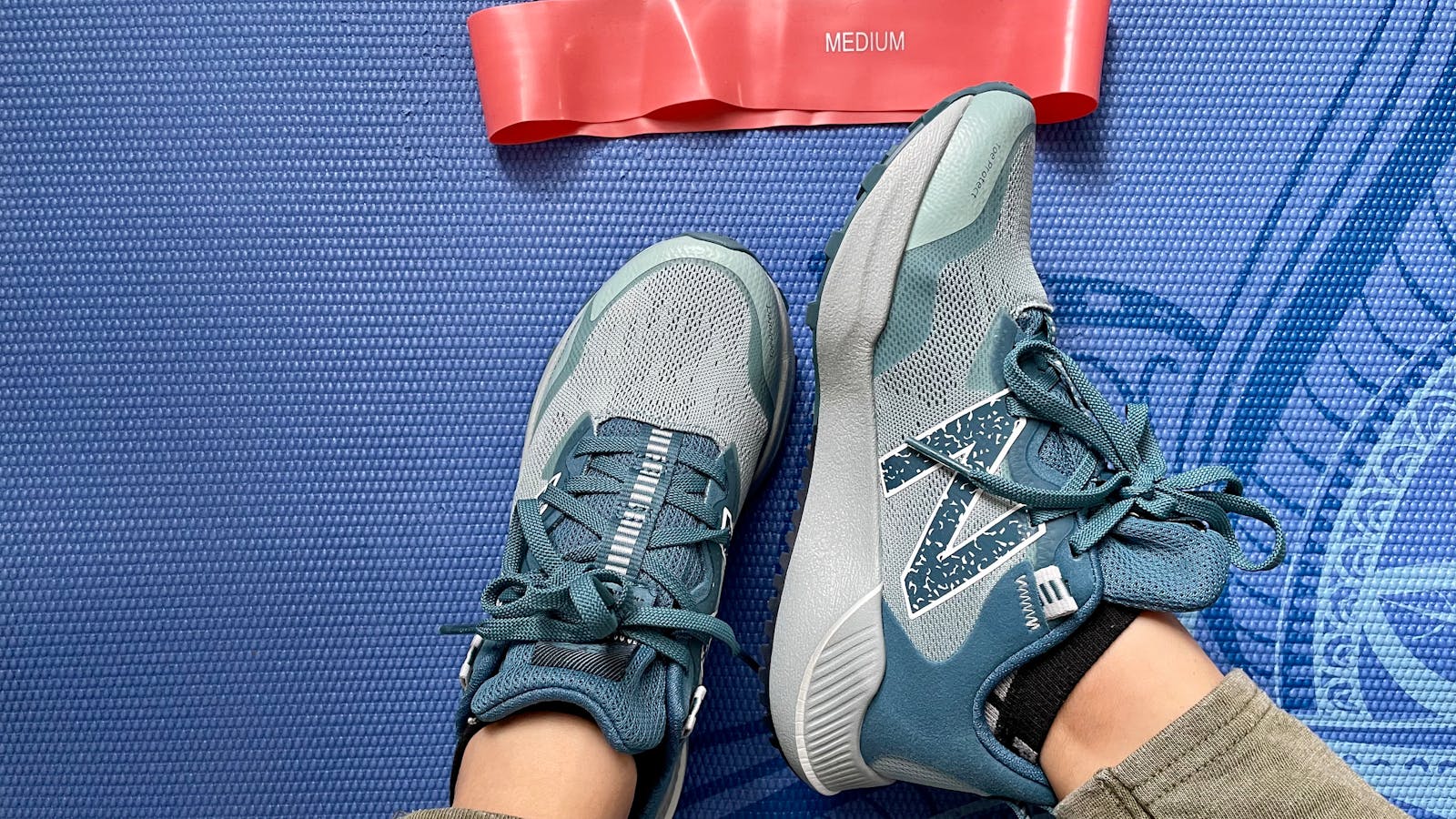
| Foot anchor | Step on the band evenly with stable shoes. | Bare feet, slick floors, or letting the band roll under one foot. |
| Post or rack | Use a smooth, stable, heavy anchor with no sharp edge. | Chair legs, wheeled furniture, railings with sharp seams, or anything that can tip. |
| Body loop | Keep tension modest and centered. | Wrapping tight bands around the neck, joints, or sensitive skin. |
Replace A Band When
- It has cracks, cuts, nicks, thin spots, bubbles, fraying, or exposed cords.
- It feels sticky, powdery, brittle, unusually soft, or uneven.
- It has been stored in heat, direct sun, a hot car, or near oils and lotions.
- A handle, clip, carabiner, stitch, or door anchor looks worn or bent.
- It no longer returns smoothly or the resistance feels inconsistent.
- The brand, material, resistance level, or age is unknown and the band looks worn.
When To Stop Exercising
MedlinePlus advises stopping exercise if you feel pain and seeking help for symptoms such as chest pain during or after exercise. Stop band training if you feel sharp pain, dizziness, faintness, numbness, unusual shortness of breath, or if the anchor or band slips.
For replacement options, use the HealthGlean resistance band guide. If the band is safe but the tension feels wrong, revisit the colors, levels, and progression guide.
Sources And References
We checked these references on May 9, 2026. Resistance-band materials, latex labeling, color systems, handles, clips, anchors, tension ratings, safety inserts, and warranty terms can change, so verify the exact product page, manual, seller, and material label before buying or using bands.
- MedlinePlus exercise injury prevention
- ACSM rubber band resistance exercise safety brochure
- B-LINES resistance bands and door attachment safety insert
- Mayo Clinic strength training guidance
Informational note: This article is general education and shopping guidance, not medical advice. Resistance bands may support strength training for some adults, but they do not diagnose, treat, cure, or prevent pain, injury, weight issues, heart disease, diabetes, osteoporosis, anxiety, depression, latex allergy, or other health conditions.