Resistance Band Colors, Levels, and Progression Guide
Updated: May 9, 2026.
Resistance Band Buying Basics
Start with the full HealthGlean resistance band guide, then use these explainers to choose resistance levels, compare band materials, and replace or anchor bands safely.
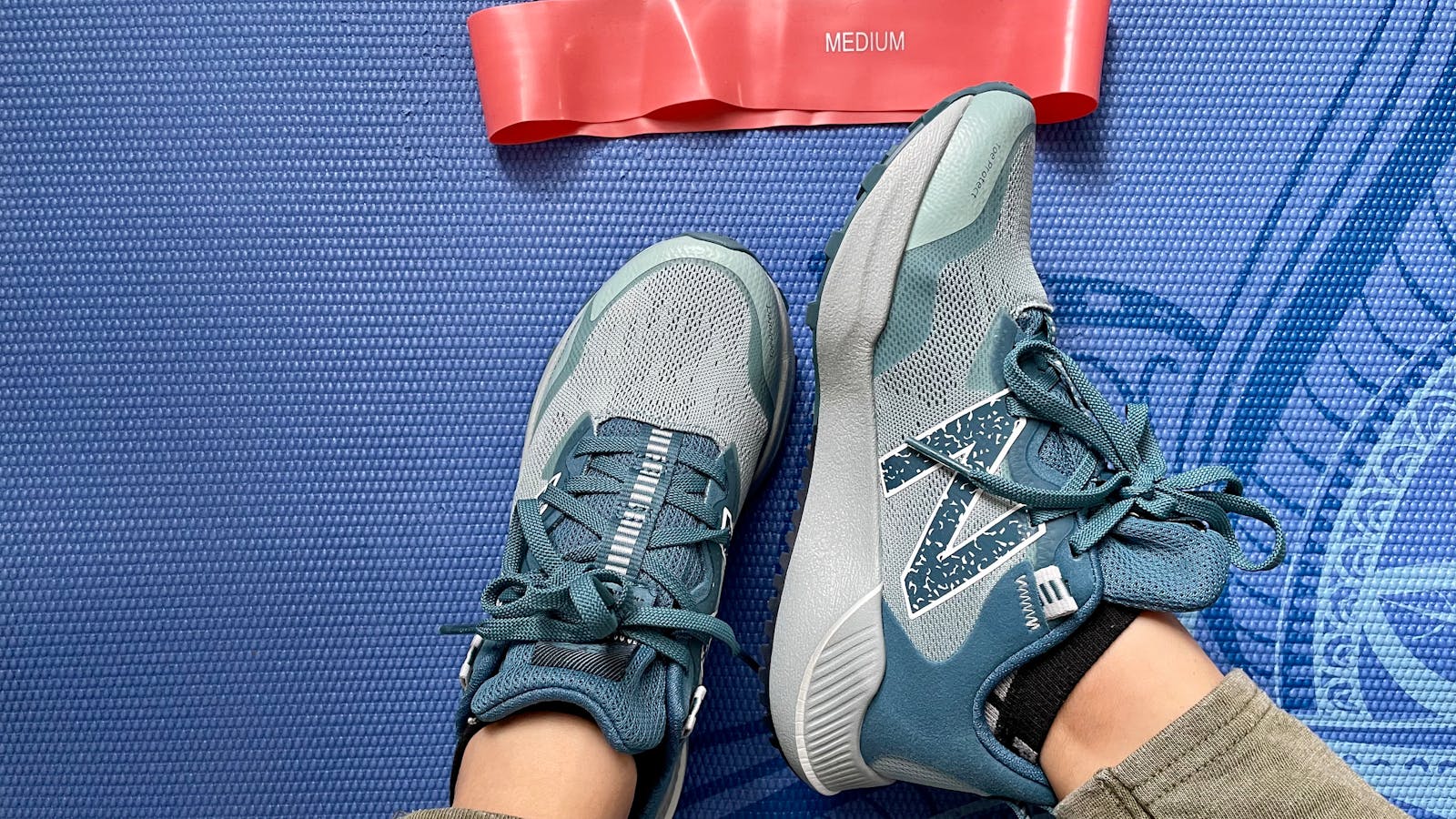
Resistance band colors are not universal. One brand's green band can be light, medium, or heavy compared with another brand. The label is only useful inside that exact product line, and even then the real tension changes with how far you stretch the band.
Mayo Clinic recommends choosing a weight or resistance level heavy enough to tire your muscles after about 12 to 15 repetitions. With bands, use that as a form check: the right level should challenge you without jerking, twisting, shrugging, or losing control near the end of the movement.
Color And Level Reality Check
| Buying Term | What It Usually Means | What To Verify |
|---|---|---|
| Extra light or therapy level | Gentle resistance for warmups, mobility, or clinician-guided moves. | Minimum tension and latex status. |
| Light to medium | Beginner strength work and higher-rep accessory movements. | Whether the band is long enough for your exercise. |
| Heavy or extra heavy | Rows, lower-body work, pull-up assistance, or stronger users. | Anchor safety, stretch limit, and whether form stays controlled. |
| Stackable tube bands | Several tubes clipped to one handle for more tension. | Clip rating, handle rating, and whether stacked tension is safe. |
| Pound rating | Approximate tension at a certain stretch length. | The rating method, because tension rises as the band stretches. |
Progress Without Guessing
- Add reps before adding band tension if form is still improving.
- Add a second set before jumping to a much heavier band.
- Move farther from the anchor only if the band remains smooth and controlled.
- Use a lighter band for shoulders, warmups, and small isolation work.
- Use a heavier or longer band for rows, assisted pull-ups, hip hinges, and lower-body work only when setup is stable.
- Stop a set when you can no longer return the band slowly.
When To Move Up
Move up when you can finish your planned reps with steady breathing, no joint pain, no snapping sensation, and enough control to pause briefly at the hardest point. If the next color makes you swing, arch, or rush the return, it is too much for that movement right now.
CDC says adults need muscle-strengthening activity on 2 days each week. Bands can help build that habit, but the goal is repeatable practice, not stretching a band as far as possible.
Compare current starter sets in the resistance band guide. If material choice is the confusing part, read latex vs fabric vs tube resistance bands.
Track Sleep, Steps, and Routine Fit
If you are building a repeatable home routine, a tracker can help you watch consistency, recovery, steps, and sleep trends without overcomplicating training. Start with the Activity and Sleep Tracker Buying Checklist, then compare picks in the HealthGlean fitness tracker guide.
Sources And References
We checked these references on May 9, 2026. Resistance-band materials, latex labeling, color systems, handles, clips, anchors, tension ratings, safety inserts, and warranty terms can change, so verify the exact product page, manual, seller, and material label before buying or using bands.
- Mayo Clinic strength training guidance
- CDC adult physical activity overview
- Cleveland Clinic resistance band strength training overview
Informational note: This article is general education and shopping guidance, not medical advice. Resistance bands may support strength training for some adults, but they do not diagnose, treat, cure, or prevent pain, injury, weight issues, heart disease, diabetes, osteoporosis, anxiety, depression, latex allergy, or other health conditions.