Ceramic vs Stainless Steel Cookware for Everyday Cooking
Choosing between ceramic cookware and stainless steel cookware is less about labels and more about what happens in your kitchen on a normal weeknight. One material is usually easier for sticky foods and faster cleanup. The other is better when you want durability, browning, and fewer worries about coating wear over time.
If you are trying to decide which material fits your kitchen, start with the daily-use tradeoffs instead of marketing language. Ceramic cookware can feel easier right away, especially for eggs and delicate foods. Stainless steel can take more practice, but it tends to stay useful longer and handles a wider range of cooking styles.
This guide focuses on the ceramic-versus-stainless decision only. It is not a full three-material roundup. If cast iron is also on your shortlist, see HealthGlean’s broader cookware material comparison. If you want full cookware-set ideas rather than a material comparison, start with HealthGlean’s cookware buyer guide.
Use this comparison to narrow your shortlist
Start here if you are deciding between easier cleanup and lower-friction cooking now versus a material that usually lasts longer but takes more practice.
Ceramic vs Stainless Steel: Quick Answer
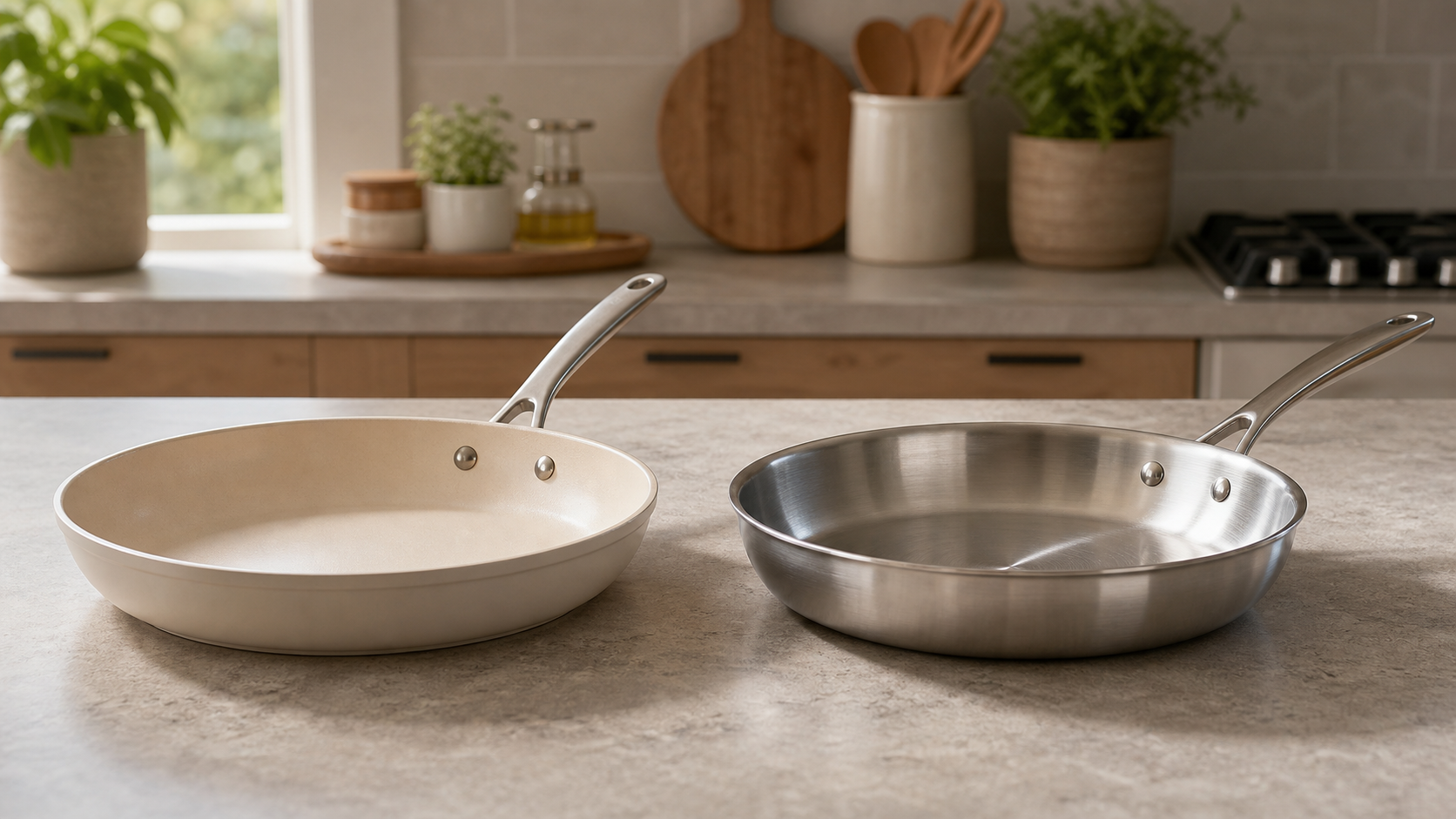
Ceramic cookware usually fits better if you want easier cleanup, gentler nonstick-style performance for delicate foods, and less day-one frustration. It can be a better fit for readers who cook simple meals often and do not want to spend time learning stainless steel technique.
Stainless steel cookware usually fits better if you want a longer-lasting pan, cook over a range of heat levels, and do not mind a learning curve. It is often a stronger fit for readers who sear, brown, deglaze, and want a pan they do not have to treat like a coating-first surface.
Many kitchens are better with both. A ceramic pan can cover eggs, fish, and quick cleanup meals, while a stainless steel pan can handle browning, sauces, and higher-friction everyday use.
Best First Pan For Your Cooking Style
Start with ceramic first if your normal meals are eggs, pancakes, quick vegetables, reheated leftovers, or other foods where easy release matters more than aggressive browning.
Start with stainless steel first if your normal meals include seared proteins, pan sauces, soups, pasta, or one-pan dinners where durability and range matter more than nonstick-style convenience.
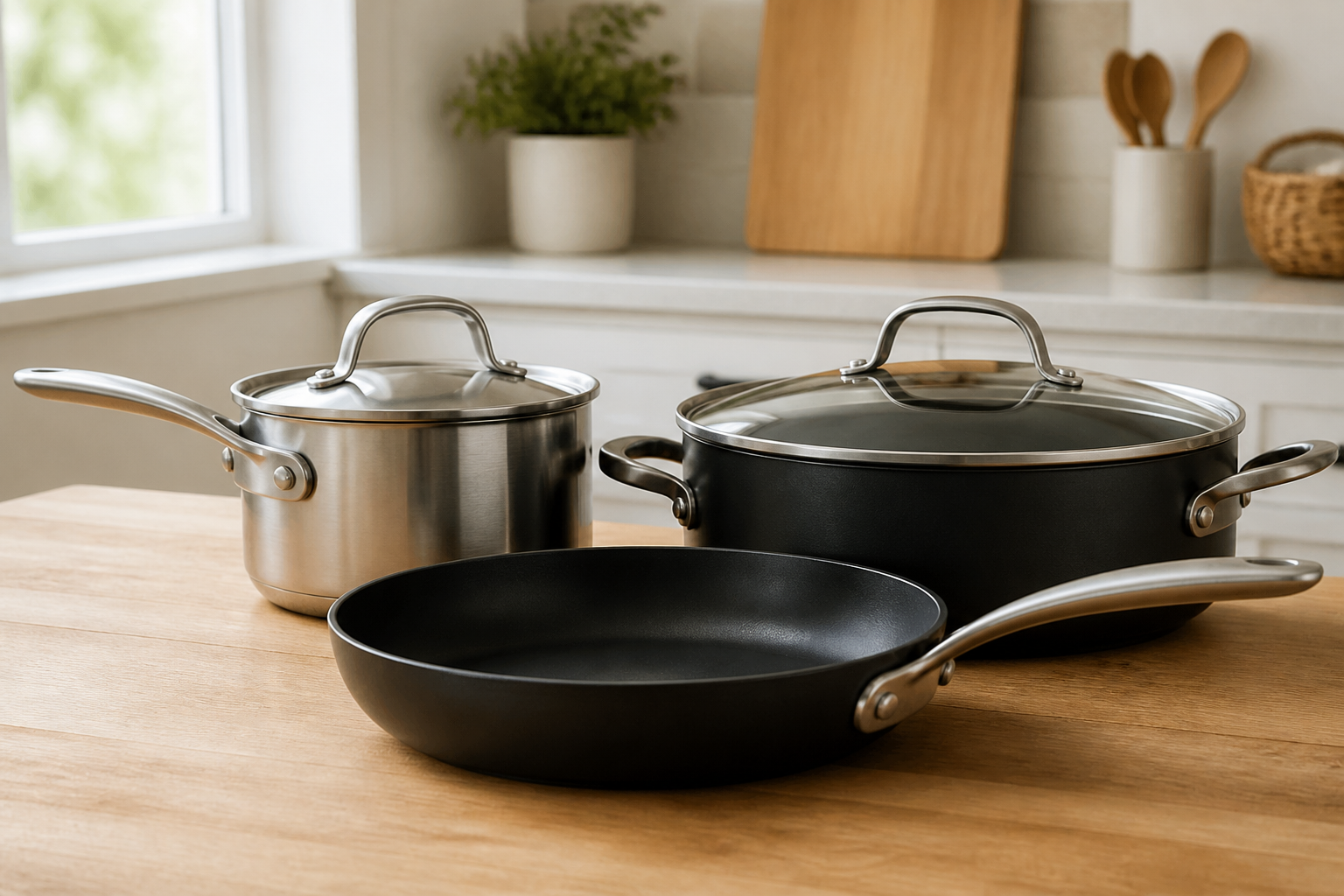
Start with one of each instead of a full matching set if your real cooking routine is split between delicate foods and higher-heat meals. That is often a smarter first step than buying a large set before you know what you actually use.
Ceramic vs Stainless Steel at a Glance
| Category | Ceramic cookware | Stainless steel cookware |
|---|---|---|
| Best for | Delicate foods, easier cleanup, lower-friction daily use | Browning, searing, sauces, and long-term versatility |
| Main strength | More forgiving for sticky foods | Durable surface with no coating to baby |
| Main tradeoff | Coating care matters and performance can fade sooner | More learning curve and sticking frustration at first |
| Heat style | Usually better for moderate everyday cooking | Handles browning and higher-heat cooking better |
| Cleanup | Often easier when used within care limits | Can be easy, but only after technique and cleanup habits improve |
| Lifespan expectation | Usually shorter if used heavily or overheated | Usually longer with normal care |
| Learning curve | Lower | Higher |
| Best first pan for | Eggs, delicate foods, and easier cleanup | Browning, sauces, and a longer-term workhorse pan |
| Best mixed-kitchen role | Convenience skillet | Core everyday pan |
When Ceramic Cookware Fits Better
Ceramic cookware often appeals to readers who want cooking to feel simpler. If your normal routine includes eggs, pancakes, reheated leftovers, quick sauteed vegetables, or other foods that tend to stick, a ceramic pan can feel more forgiving right away.
That ease is the main reason ceramic often wins for everyday convenience. It can reduce the frustration that new cooks sometimes feel with stainless steel. Cleanup can also be faster when the surface is in good shape and the pan is used within its heat and utensil limits.
The tradeoff is that ceramic cookware is not a forever surface. Coating performance can fade with heavy use, repeated overheating, rough utensils, or aggressive cleaning. That does not mean ceramic is a bad choice. It means the material works best when you value convenience enough to accept that replacement timing may come sooner than it does with stainless steel.
If your goal is low-drama weeknight cooking, ceramic can be the easier first choice. If your goal is to buy once and keep using the same pan for many years, stainless steel may be the better fit.
When Stainless Steel Fits Better
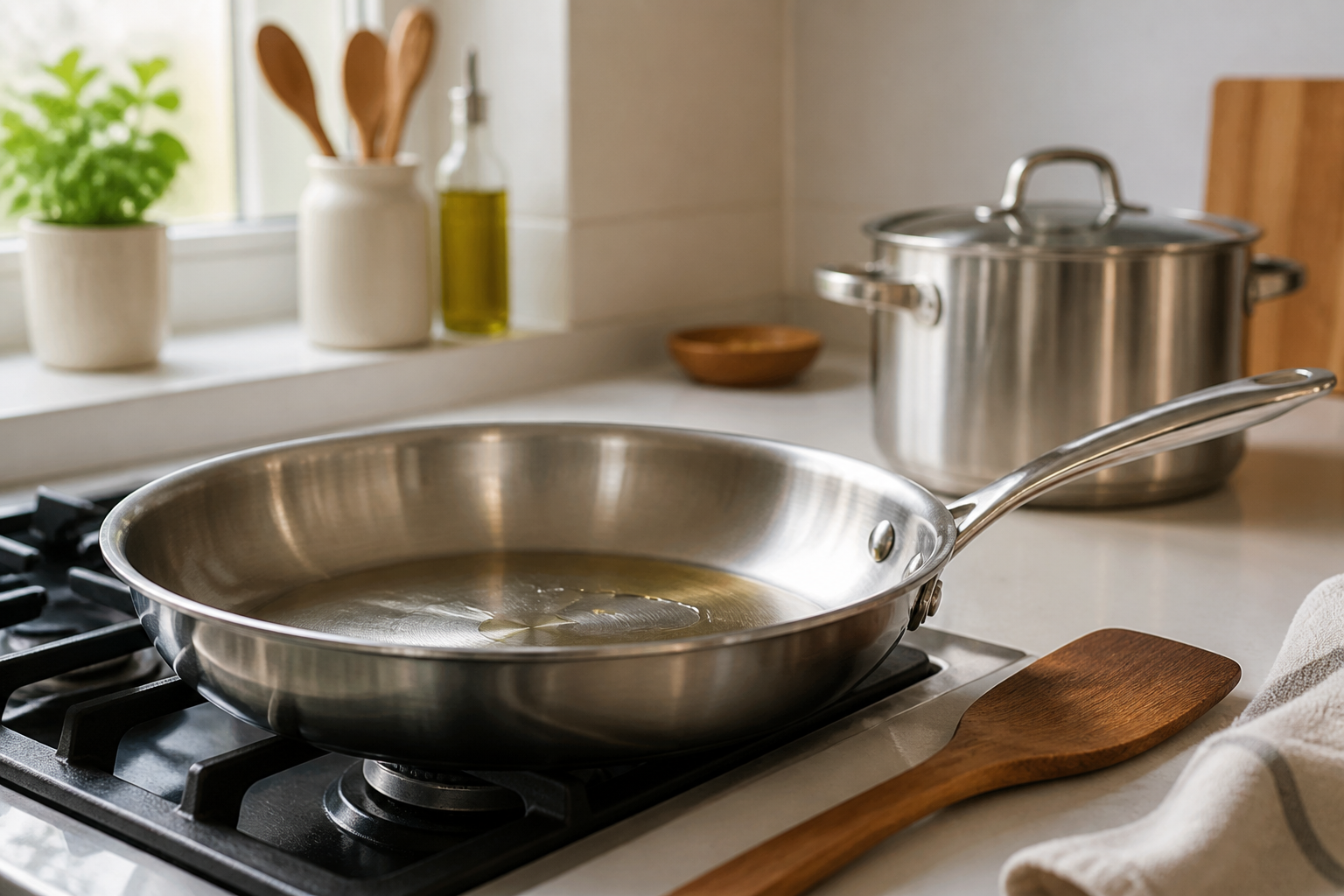
Stainless steel cookware usually makes more sense for cooks who want durability and broader range. It can handle browning, searing, pan sauces, and repeated everyday use without asking you to protect a coating. That is a big reason many home cooks keep reaching for stainless steel once they get comfortable with it.
The challenge is that stainless steel can punish rushed technique. If the pan is not preheated enough, too hot, too dry, or crowded with food at the wrong moment, sticking is common. That is why stainless often feels worse at the beginning and better later, once the cook learns timing, heat control, and cleanup habits.
For readers who do not want to think about pan behavior, stainless steel may feel like too much work. For readers who want a more durable surface and are willing to learn it, stainless can be the more flexible long-term option.
If you are curious why stainless sometimes frustrates people, that may be a better drafting candidate later as its own support page. For now, the short version is simple: stainless usually rewards technique more than ceramic does.
Everyday Cooking Scenarios
Eggs and delicate foods
Ceramic usually has the advantage here. If you cook eggs often and want easier release with less trial and error, ceramic is often the smoother experience.
Seared proteins and browning
Stainless steel usually has the edge if you want more browning and pan development. Readers who like building fond for sauces often prefer stainless once they get comfortable using it.
Tomato sauces and one-pan meals
Either material can work, but the better choice depends on your habits. Ceramic may feel easier for low-fuss weeknight meals. Stainless may feel better if you like moving from browning to simmering to deglazing in one pan.
Reheating leftovers
Ceramic often wins on convenience. Quick reheats and simple meals are where a lower-friction surface can feel most helpful.
Cleanup after a busy night
If fast cleanup matters more than searing performance, ceramic usually feels better day to day. If you are willing to scrub a bit more sometimes in exchange for durability, stainless may be worth it.
Start With One Pan Or A Full Set?
A full matching set is not always the best first purchase. If you are still learning what fits your routine, one good ceramic skillet or one solid stainless steel pan may teach you more than a 10-piece set bought too early.
A single ceramic skillet makes sense if you mostly want easier eggs, quick sauteing, and faster cleanup. A single stainless steel pan makes sense if you want something more durable and do not mind learning technique.
For many kitchens, the practical answer is a mixed-material starter setup: one ceramic pan for delicate foods and one stainless steel pan for browning and heavier daily use. If you later decide you want a full set, use HealthGlean’s cookware guide to compare full-set tradeoffs.
What To Check Before Buying
- Your stovetop: Make sure the pan or set matches induction, gas, electric, or glass-top needs.
- Your heat habits: If you cook hotter and brown food often, stainless may fit better than ceramic.
- Your utensil habits: If you tend to use metal tools or stack pans roughly, stainless is usually easier to live with.
- Your patience for upkeep: Ceramic asks for more coating awareness. Stainless asks for more technique.
- Your real kitchen mix: Many people do better with one ceramic skillet and one stainless pan instead of a full single-material set.
If Cast Iron Is Also On Your Shortlist
Some readers land on ceramic-versus-stainless questions when cast iron is also in the mix. If that is you, do not force this article to answer all three. Cast iron brings its own weight, maintenance, and cooking-style tradeoffs, and it deserves its own comparison space.
Use HealthGlean’s ceramic vs stainless steel vs cast iron cookware guide for the broader comparison. If your main concern is coating life and replacement timing, the related explainer on when to replace nonstick cookware may also help.
When You Need The PFAS Guide Instead
Many readers use search terms like “non-toxic cookware” when what they really want is a simpler material decision. This article stays focused on daily-use tradeoffs, not a full PFAS or label explainer.
If you want the broader PFAS and cookware-label context behind those searches, read HealthGlean’s PFAS in cookware guide. Then come back here when you are ready to compare how ceramic and stainless actually behave in a home kitchen.
FAQ
Is ceramic or stainless steel better for eggs?
Ceramic is usually easier for eggs because it tends to be more forgiving with sticky foods. Stainless steel can still work, but it usually takes more practice with heat, oil, and timing.
Does stainless steel always stick?
No. Stainless steel often sticks when technique is rushed or heat control is off. Many cooks find it much easier once they learn preheating, oil timing, and cleanup habits.
Does ceramic cookware wear out faster?
It often can, especially with repeated overheating, rough utensils, or heavy daily use. That is one of the main tradeoffs readers should weigh against its easier cleanup and lower-friction cooking feel.
Can I use both materials in the same kitchen?
Yes. That is often the most practical setup. A ceramic pan can cover delicate and quick-cleanup meals, while a stainless steel pan can handle browning and longer-term heavier use.
Should I buy a set or just one pan?
If you are still learning what fits your kitchen, starting with one pan can be smarter than buying a large set immediately. Once you know which material you actually use most, a full-set purchase is easier to judge.
Editorial note: This draft is designed as an informational support article. It contains no product picks, no affiliate links, and no product-rating claims.