Affiliate disclosure: This guide contains affiliate links. If you buy through these links, HealthGlean may earn a commission at no extra cost to you. We separate product research from monetization and recommend that you verify current specifications before buying.
Updated: May 4, 2026.
HealthGlean buying guide standards
How This Guide Was Reviewed
Written byHealthGlean Editorial Team
Editorial reviewBuying criteria, disclosure, and safety framing review
Standards reviewMay 9, 2026
Reviewer statusEditorial and safety/claims review; not medical review
For this Best Exercise Mats for Home Workouts guide, we prioritize clear product fit, practical safety notes, official specifications, seller and manufacturer references, price and availability checks, and cautious health language. Affiliate links may earn HealthGlean a commission, but they do not change the criteria we use to compare products.
Credentialed review boundary: We name a qualified reviewer only when a real clinician or specialist has reviewed that specific guide and the review scope can be described accurately. Until then, this guide should be read as general wellness and shopping information, not medical advice.
- We favor products with clear use cases, transparent specifications, realistic limitations, and buyer-friendly return or warranty signals.
- We avoid treating consumer wellness products as diagnosis, treatment, cure, prevention, or emergency guidance.
- We ask readers to verify current price, seller, model, warranty, warnings, materials, ingredients, and compatibility before buying.
Read more about the HealthGlean Editorial Team, plus our Editorial Policy, Product Review Methodology, Affiliate Disclosure, and Medical Disclaimer.
A good exercise mat should make home workouts safer and more repeatable, not just prettier. The right mat depends on what you do most: yoga flow, stretching, Pilates-style floor work, resistance bands, light dumbbell work, or standing circuits. Thickness, grip, material, odor, storage, and floor type all matter.
This guide focuses on practical home exercise mats with direct product links. It does not treat mats as medical equipment or promise pain relief, injury prevention, rehabilitation, weight loss, or treatment outcomes.
Quick Picks
| Pick | Best For | Why It Stands Out | Check Price |
|---|---|---|---|
| Manduka PRO Yoga Mat 6mm | Best premium studio-style mat | High-density 6 mm PVC mat, 71 x 26 inch standard size, closed-cell surface, OEKO-TEX Standard 100 certification language, and lifetime-guarantee positioning. | Check Manduka PRO price |
| Liforme Classic Yoga Mat | Best grip and alignment mat | 4.2 mm natural-rubber/PVC-free mat with GripForMe surface, AlignForMe markers, wider-than-standard footprint, and included bag. | Check Liforme Classic price |
| Gorilla Mats Premium Large Exercise Mat 6 x 4 ft | Best large mat for home workout zones | Large 6 x 4 ft starting size, 1/4 inch high-density surface, non-slip top and bottom, shoe-safe design language, and straps/bag accessories. | Check Gorilla Mats price |
| Gaiam Essentials Fitness Mat 10mm | Best budget thick foam mat | 72 x 24 inch NBR foam mat, 10 mm thickness, textured ridges, included carrying strap, and low-cost cushioning for floor work. | Check Gaiam Essentials price |
| ProsourceFit Tri-Fold Folding Exercise Mat 6 x 2 ft | Best foldable mat for extra cushioning | 72 x 24 inch tri-fold mat, 1.5 inch EPE foam/PVC construction, carry handles, wipe-clean surface, and compact folded storage. | Check ProsourceFit tri-fold price |
Who This Guide Is For
This guide is for adults choosing an exercise mat for home workouts, stretching, yoga, Pilates, resistance-band sessions, light strength circuits, and compact fitness spaces. It compares dense yoga mats, grippy alignment mats, large workout-zone mats, thick foam mats, and foldable exercise mats.
It is not a medical or rehabilitation plan. If you have unexplained pain, dizziness, recent surgery, joint instability, balance problems, pregnancy-related restrictions, or a heart, lung, nerve, bone, or connective-tissue condition, ask a qualified clinician before starting or changing exercise.
Grip, Thickness, And Floor Safety Notes
Thicker is not always safer. A plush 10 mm or 1.5 inch mat can feel great under knees and elbows, but it can also feel less stable for one-leg balance, fast footwork, or standing strength moves. Dense 4-6 mm mats usually feel more stable for yoga and Pilates, while large thin mats are better for giving you room to move.
Before the first workout, test the mat with socks, bare feet, and shoes if you plan to wear them. Try slow lunges, planks, lateral steps, and kneeling positions. If the mat creeps, bunches, curls, stretches, or feels unstable, change the surface or exercise rather than forcing it.
- Hard floors: choose a mat with a grippy underside and enough cushioning for kneeling, but avoid a mat that slides on tile, vinyl, or sealed wood.
- Carpet: thin yoga mats can wrinkle or move on plush carpet; a larger mat may stay flatter, but balance can still feel softer than on hard flooring.
- High impact: exercise mats are not crash pads. Do not use thin mats for tumbling, jumping from height, or fall protection.
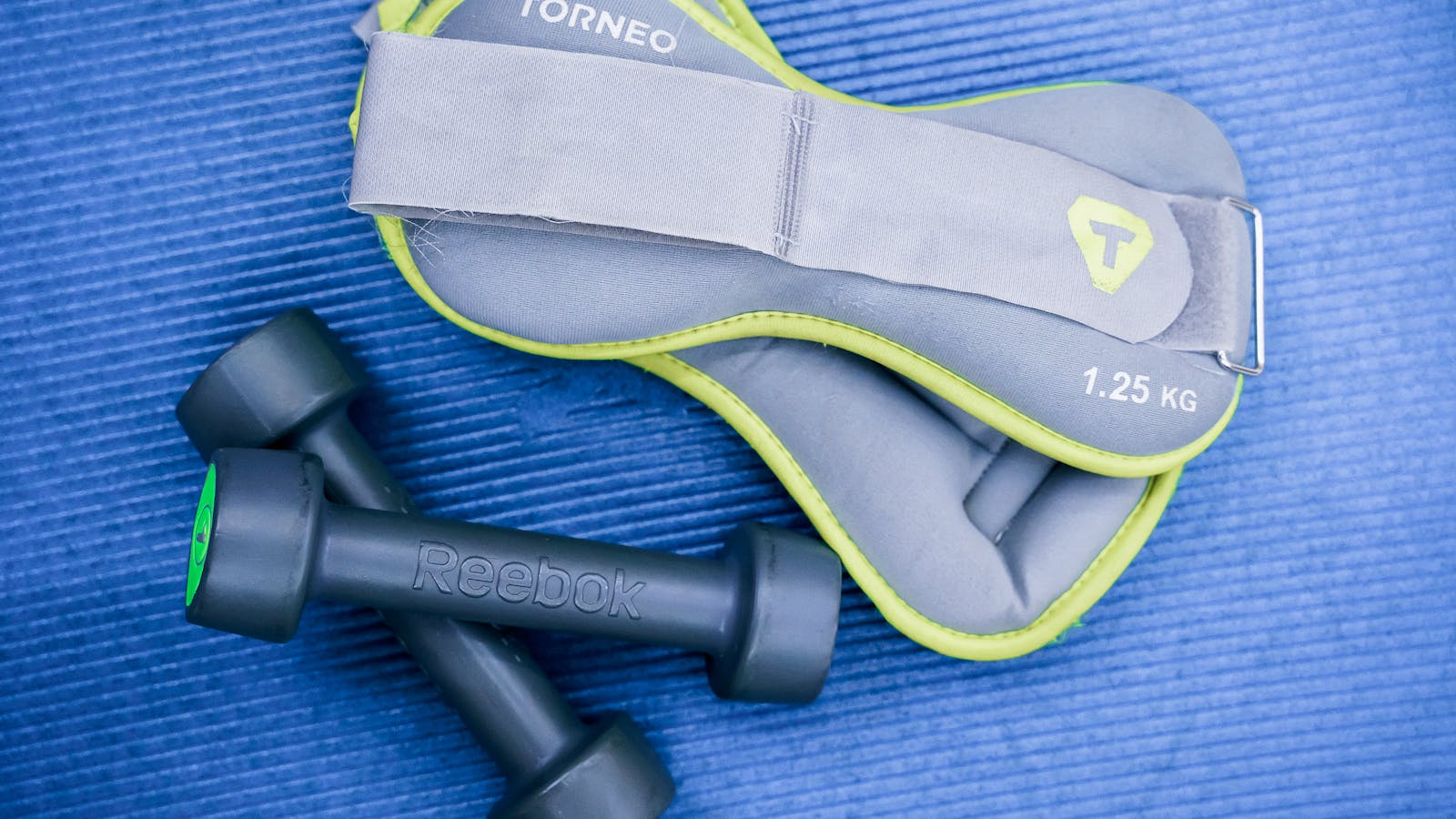
- Weights: do not drop dumbbells or kettlebells on yoga mats or foam mats. Use proper gym flooring for heavy equipment.
- Edges: keep corners flat and walkways clear so rolled or folded mats do not become trip hazards.
Material, Odor, And Certification Notes
Exercise mats commonly use PVC, NBR foam, natural rubber, polyurethane, EPE foam, or blends. Material claims are not interchangeable. OEKO-TEX Standard 100 means a product has passed harmful-substance testing under that certification, but it does not automatically mean organic, biodegradable, latex-free, or odor-free. FTC Green Guides also caution that broad environmental and non-toxic claims should be supported by reliable evidence.
Some mats have a new-product smell, especially rubber, foam, PVC, or vinyl-covered mats. Unroll the mat in a ventilated room before first use, follow the manufacturer cleaning instructions, and do not use harsh cleaners unless the brand allows them. If you have latex sensitivity, be careful with natural-rubber mats and choose products clearly labeled latex-free.
- PVC: often durable and easy to clean, but check certification and personal material preference.
- Natural rubber: usually grippy and dense, but may matter for latex-sensitive users.
- NBR foam: soft and affordable for floor work, but less stable for balance and more prone to compression.
- Large PVC mats: useful for workout zones, but not the same as heavy equipment flooring.
- Vinyl-covered foldable mats: easy to wipe down, but seams, bulk, and odor are common tradeoffs.
Storage And Cleaning Notes
Store mats dry, clean, and flat or loosely rolled according to the maker guidance. Rolling a damp mat tightly can trap odor. Leaving a mat in direct sun, a hot car, a humid garage, or under heavy equipment can accelerate cracking, curling, or compression.
- Wipe sweat and dust after use, especially on closed-cell or grippy surfaces.
- Let the mat dry fully before rolling, folding, or putting it into a bag.
- Keep mats away from heaters, sharp furniture feet, pets, and heavy storage bins.
- Roll yoga mats with the recommended side out if the brand gives storage instructions.
- Replace mats that are cracked, peeling, permanently curled, slippery, sticky, torn, or compressed unevenly.
How We Chose
- We used direct Amazon product links instead of generic search-result pages.
- We checked official brand pages, retailer product data, certification guidance, and exercise safety references for dimensions, thickness, material, grip, storage, and cleaning notes.
- We included different mat types because a yoga mat, a large home-gym mat, and a folding mat solve different problems.
- We treated odor, material claims, latex sensitivity, floor safety, and storage as buying factors, not afterthoughts.
- We avoided unsupported medical, pain-relief, injury-prevention, rehabilitation, and weight-loss claims.
Product Notes
Manduka PRO Yoga Mat 6mm
The Manduka PRO 6mm is the premium pick for readers who want a dense, long-lasting mat for yoga, Pilates, stretching, and floor work. Manduka lists a high-density build, closed-cell surface, 6 mm thickness, 71 inch standard length, and lifetime guarantee language. It is heavier than foam budget mats and needs break-in time for best grip, but it is much more stable than soft, squishy mats during standing poses.
- Pros: dense and stable feel; 6 mm joint cushioning without excessive sink; closed-cell surface; OEKO-TEX Standard 100 certification language.
- Cons: premium price; heavy for commuting; grip improves after break-in; PVC may not fit every material preference.
- Best fit: Choose this if you want a durable studio-style mat and care more about stability than plush softness.
Liforme Classic Yoga Mat
The Liforme Classic is the grip-and-alignment pick. Liforme highlights its GripForMe surface, AlignForMe marker system, PVC-free materials, natural rubber base, and larger-than-standard practice area. It makes sense for yoga-focused readers who want visual alignment cues and strong wet/dry grip. The tradeoffs are price, rubber weight, and possible latex sensitivity concerns for natural-rubber products.
- Pros: excellent grip focus; alignment markers; larger practice surface; bag included.
- Cons: expensive; natural rubber may bother latex-sensitive users; not as thick as plush floor-work mats; surface needs careful cleaning.
- Best fit: Choose this if slipping hands or alignment cues are your main yoga-mat concerns.
Gorilla Mats Premium Large Exercise Mat 6 x 4 ft
The Gorilla Mats 6 x 4 ft mat is the best pick when you want to turn a small room corner into a dedicated workout zone. Gorilla Mats lists 1/4 inch thickness, non-slip top and bottom surfaces, shoe-safe PVC material, multiple sizes from 6 x 4 ft upward, and storage accessories. It is better for bodyweight circuits, dumbbell accessory work, and resistance-band training than a narrow yoga mat, but it is not a crash mat and should not be treated as fall protection.
- Pros: large surface area; works with shoes; grippy top and bottom; helps protect floors from light home workouts.
- Cons: costs much more than narrow mats; large to store; not thick enough for tumbling or falls; not a substitute for heavy equipment flooring.
- Best fit: Choose this if you want one roomy mat for standing workouts, bands, light dumbbells, and floor exercises.
Gaiam Essentials Fitness Mat 10mm
The Gaiam Essentials Fitness Mat is the budget cushioned pick for ab work, stretching, low-impact floor exercises, and beginners who want more padding on knees, elbows, hips, or spine. Gaiam lists 10 mm NBR foam, non-slip ridges, 72 x 23.6 inch measurements, and an included strap. It is comfortable for floor work, but thicker foam can feel less stable for standing balance poses and may stretch or dent faster than premium dense mats.
- Pros: low price; 10 mm cushioning; strap included; comfortable for floor exercises.
- Cons: less stable for balance work; NBR foam can compress over time; narrower than large workout-zone mats; not for shoes or heavy equipment.
- Best fit: Choose this if you need affordable padding for stretching, abs, Pilates-style floor work, and light home exercise.
ProsourceFit Tri-Fold Folding Exercise Mat 6 x 2 ft
The ProsourceFit tri-fold mat is the thick foldable pick for floor drills, stretching, martial-arts basics, beginner gymnastics practice, and cushioning where a thin yoga mat is not enough. ProsourceFit and retailer data list 72 x 24 inches, 1.5 inch thickness, EPE foam, a vinyl/PVC cover, and carrying handles. It is not ideal for standing balance flows because the cushioning is intentionally thick, and it should be opened fully on a clear, level floor before use.
- Pros: much thicker than yoga mats; folds for storage; carry handles; wipe-clean vinyl-style surface.
- Cons: too bulky for yoga flow; less stable for standing balance; fold seams can be felt; PVC/vinyl cover may have material or odor concerns.
- Best fit: Choose this if your priority is extra cushioning and foldable storage for floor-based exercise.
Which Mat Type Should You Buy?
- Yoga flow: choose a dense 4-6 mm grippy mat, not the softest foam mat you can find.
- Pilates and floor work: choose more cushioning, usually 8-10 mm or a foldable mat if standing balance is not the focus.
- Resistance bands: choose a mat that stays flat under feet and does not stretch when you step on a band.
- Light dumbbell circuits: choose a large mat for space, but keep weights controlled and never drop them.
- Small apartments: measure both open workout space and rolled or folded storage space before buying.
Before You Buy
- Confirm exact ASIN, seller, size, color, material, thickness, included strap or bag, return policy, and warranty.
- Match thickness to your workout style: softer is better for floor comfort; denser is better for standing stability.
- Check whether the mat is intended for shoes, bare feet, yoga, floor work, or general fitness.
- Do not assume “non-slip” means slip-proof on your exact floor. Test slowly before full-speed workouts.
- Check latex, PVC, NBR, rubber, and certification language if you have material sensitivities or odor concerns.
- Use proper gym flooring under heavy equipment. Exercise mats are not a substitute for equipment mats.
- Measure storage space, especially for large roll-out mats and tri-fold mats.
FAQ
How thick should an exercise mat be?
For yoga and standing work, 4-6 mm often gives better stability. For floor work, stretching, and sensitive knees, 8-10 mm can feel better. For extra-cushioned floor drills, folding mats around 1.5 inches are more comfortable but less stable for balance.
Can I use a yoga mat under dumbbells?
Only for controlled, light work where weights are set down gently. Do not drop dumbbells or kettlebells onto yoga mats, NBR foam mats, or foldable mats. Heavy equipment needs proper gym flooring.
Why does my mat smell?
Rubber, foam, PVC, and vinyl materials can have a new-product odor. Air the mat out in a ventilated area and follow the brand cleaning instructions. Avoid harsh cleaners unless the manufacturer approves them.
Are “non-toxic” and “eco-friendly” mat claims reliable?
Treat broad claims carefully. Look for specific materials, certifications, testing language, and care instructions. FTC guidance says environmental and non-toxic claims should be supported, and OEKO-TEX Standard 100 is about harmful-substance testing rather than a blanket organic or biodegradable claim.
What is the best mat for resistance bands?
Choose a mat that stays flat under your feet, does not stretch noticeably, and has enough room for stance width. Large workout mats usually work better than narrow yoga mats for band circuits.
Exercise Mat Buying Basics
Before choosing an exercise mat, use these HealthGlean explainers to match thickness and material, protect grip while cleaning, and know when a worn mat should be replaced:
- exercise mat thickness and materials – Match yoga, Pilates, stretching, resistance-band work, and floor exercises to the right mat thickness, density, and material tradeoff.
- exercise mat cleaning, non-slip, and odor safety – Clean mats without ruining grip, avoid residue that turns slick, and handle odor, sweat, disinfectants, and drying with less guesswork.
- when to replace an exercise mat – Know when curling edges, compression, peeling, slick spots, cracks, odor, or material breakdown mean the mat should be retired.
Next HealthGlean Guides
Use these related HealthGlean guides to keep building the same sleep, home-wellness, and fitness setup:
- quiet bedroom air purifier picks – compare quiet CADR-focused machines for cleaner bedroom air.
- white noise machines for bedrooms and home offices – choose a sound machine for sleep, focus, or shared spaces.
- sunrise alarm clocks for gentler mornings – build a calmer wake-up routine with light, sound, and backup alarms.
- water filters for healthier home drinking water – match pitchers and under-sink filters to your water-quality needs.
- non-toxic cookware sets for everyday healthy cooking – compare ceramic nonstick, stainless steel, and cast iron choices.
- mattress toppers for back support and pressure relief – compare topper materials, firmness, and comfort tradeoffs before replacing a mattress.
- humidifiers for dry bedrooms and better comfort – choose a bedroom humidifier with the right humidity and cleaning habits.
- HEPA vacuums for dust, pet hair, and cleaner indoor air – compare sealed filtration, bagged disposal, pet-hair tools, and allergy-aware cleaning habits.
- weighted blankets for calm comfort and better sleep – choose a safe weight, breathable material, and washable design for your bedtime routine.
- cooling pillows for hot sleepers – match cooling materials, loft, and neck support before replacing your pillow.
- walking pads for home offices and small spaces – compare desk safety, noise, speed, deck size, and weight-capacity tradeoffs.
- adjustable dumbbells for compact home gyms – compare loading ranges, adjustment mechanisms, floor safety, storage, and recall-aware buying notes.
- resistance bands for beginner home workouts – compare tube bands, loop bands, pull-up bands, anchor safety, latex notes, and beginner loading.
- exercise bikes for low-impact cardio at home – compare bike fit, resistance systems, noise, storage, weight capacity, and low-impact safety notes.
- rowing machines for full-body home workouts – compare air, magnetic, connected, and budget rowers with technique and recall-aware buying notes.
- meal prep containers for healthy weekly eating – compare glass, plastic, divided lunch boxes, and freezer trays with food-safety notes.
- massage guns for post-workout recovery – compare gentle, premium, serious-recovery, budget, and compact options with safety cautions.
- fitness trackers for sleep, steps, and everyday wellness – compare Fitbit, Apple, Garmin, and Amazfit picks with sleep, privacy, battery, and compatibility notes.
- red light therapy devices for home wellness routines – compare panels, masks, wands, and belts with FDA-clearance, eye-safety, and overuse cautions.
- sauna blankets for home recovery routines – compare heat ranges, timers, voltage, hydration, burn risk, and recall-aware buying notes.
Browse all HealthGlean buying guides.
Sources And Product References
We checked official product pages, retailer product data, certification guidance, environmental-claim guidance, and exercise safety references on May 4, 2026. Product prices, colors, sizes, thickness, materials, odor claims, certifications, warranty terms, and included straps or bags can change, so verify the exact listing before buying.
- Manduka PRO Yoga Mat official product page
- Liforme Classic Yoga Mat official product page
- Gorilla Mats Premium Large Exercise Mat official product page
- Gaiam Essentials Fitness Mat 10mm official product page
- ProsourceFit Tri-Fold Folding Exercise Mat official product page
- Amazon Basics thick exercise mat product information page
- OEKO-TEX Standard 100 product information
- FTC Green Guides environmental claims summary
- Cleveland Clinic latex allergy overview
- Mayo Clinic stretching and flexibility guidance
- CDC adult physical activity guidelines
Medical disclaimer: This article is for informational purposes only and is not medical advice. Exercise mats may make some home workouts more comfortable, but they do not diagnose, treat, cure, or prevent disease.