Upright vs Recumbent vs Indoor Cycling Bikes
Updated: May 9, 2026.
Exercise Bike Buying Basics
Start with the full HealthGlean exercise bike guide, then use these explainers to compare bike styles, understand resistance and noise claims, and set up rides with safer fit and maintenance habits.
Exercise bikes are all low-impact compared with running, but they do not feel or fit the same. The right choice depends on posture, mounting height, back support, workout intensity, room size, noise tolerance, and whether you want app-led classes or simple steady cardio.
Bike Type Comparison
| Bike Type | Best Fit | Watch Out |
|---|---|---|
| Indoor cycling bike | Spin-style classes, higher resistance, app-led rides, and riders who want a road-bike-like feel. | More forward posture, harder saddle, heavier frame, and less casual mounting. |
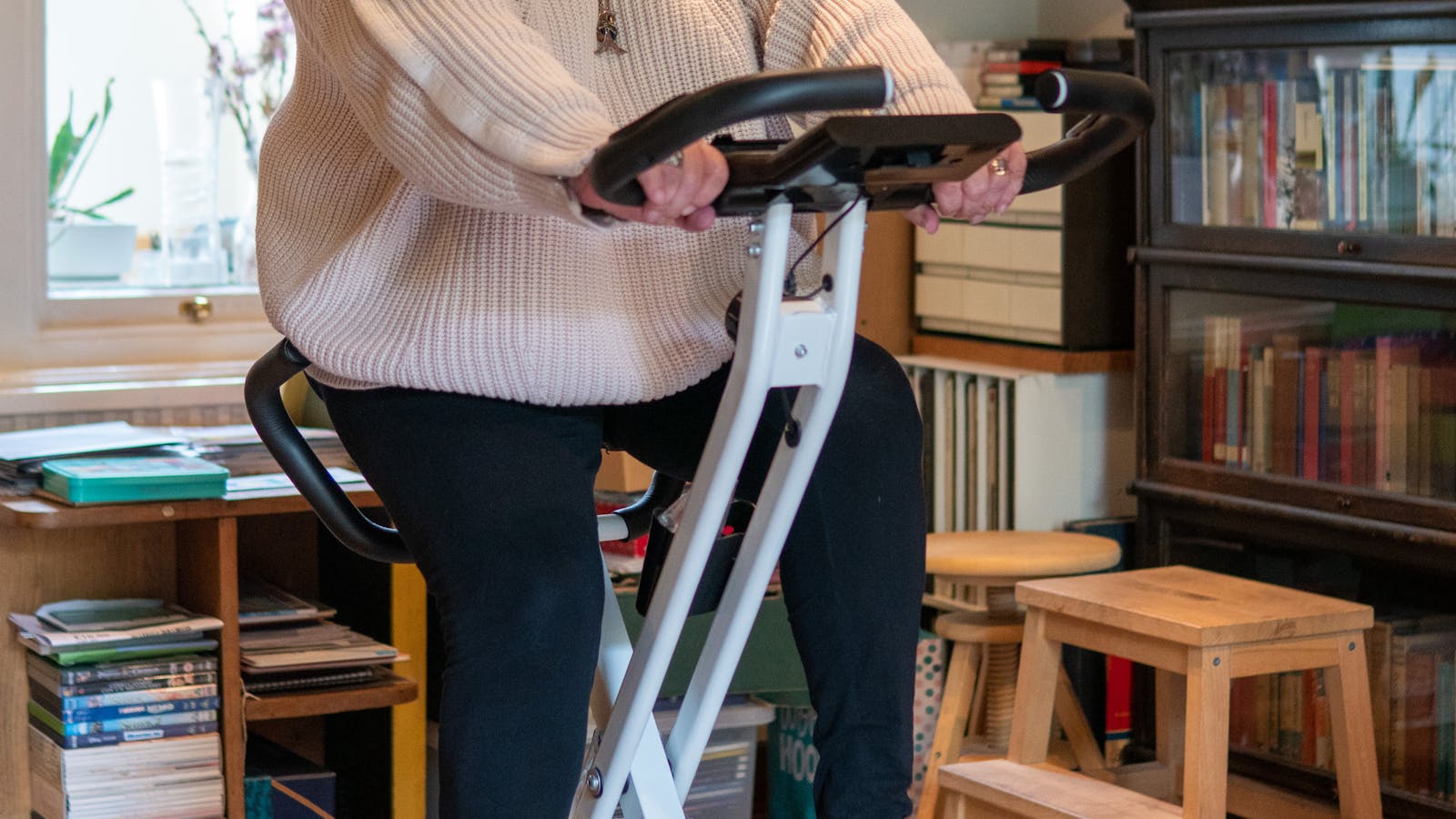
| Upright exercise bike | Simple seated cardio, smaller rooms, and riders who want a familiar pedal position. | Less back support and sometimes limited fit range on compact folding models. |
| Recumbent bike | Supported seated rides, easier step-through access, and steady low-impact cardio. | Larger footprint and less out-of-saddle intensity. |
| Folding upright bike | Storage-constrained apartments and light to moderate sessions. | Usually less stable for hard efforts and not built for standing sprints. |
| Connected bike | Motivation from classes, apps, metrics, and leaderboards. | Subscriptions, device compatibility, power needs, and data accuracy limits. |
Low Impact Does Not Mean No Risk
Cycling keeps your feet on the pedals, so it avoids the repeated foot-strike impact of running. Cleveland Clinic includes cycling among low-impact cardio options, and CDC guidance supports regular aerobic activity for adults. But a bike can still cause problems if the fit is poor, resistance jumps too quickly, the frame is unstable, or warning symptoms are ignored.
Which Style Should You Shortlist?
- Choose indoor cycling if you want class-style rides, stronger resistance, and a stable non-folding frame.
- Choose upright if you want simple steady cardio with a smaller footprint and a more casual riding position.
- Choose recumbent if back support, easier mounting, or a wider seat matters more than spin-class intensity.
- Choose folding only when storage matters more than maximum stability.
- Choose connected only after checking subscription cost, app compatibility, and whether the screen or tablet setup fits your room.
Questions Before Buying
- Can you mount, dismount, pedal, stop, and adjust the bike without strain?
- Does the listed rider-height range fit your height and inseam?
- Does the max user weight leave a comfortable margin?
- Will the footprint, ceiling clearance, and storage path fit your actual room?
- Do you need back support, or do you prefer a forward cycling posture?
- Will shared walls, downstairs neighbors, sleeping family, or calls make noise a deciding factor?
Compare current product picks in the exercise bike guide. If you already know the bike style but are unsure about resistance claims, read the resistance, drive, and noise guide.
Sources And References
We checked these references on May 9, 2026. Exercise-bike model specs, resistance systems, drive systems, app compatibility, rider-height ranges, weight limits, safety warnings, maintenance requirements, and warranty terms can change, so verify the exact product page, manual, and seller before buying or riding.
- CDC adult physical activity overview
- Cleveland Clinic low-impact cardio overview
- Cleveland Clinic cycling benefits overview
- Mayo Clinic fitness program getting started guidance
- Schwinn IC4 official product page
- Marcy ME-709 official product page
Informational note: This article is general education and shopping guidance, not medical advice. Exercise bikes may support physical activity for some people, but they do not diagnose, treat, cure, or prevent heart disease, diabetes, pain, injury, balance problems, weight issues, or other health conditions.