
Sunrise Alarm vs Light Therapy Lamp: What Is the Difference?
Updated: May 9, 2026.
Sunrise Alarm Buying Basics
Start with the full HealthGlean sunrise alarm guide, then use these explainers to place the light, avoid confusing dawn alarms with treatment lamps, and know when to replace or stop using one.
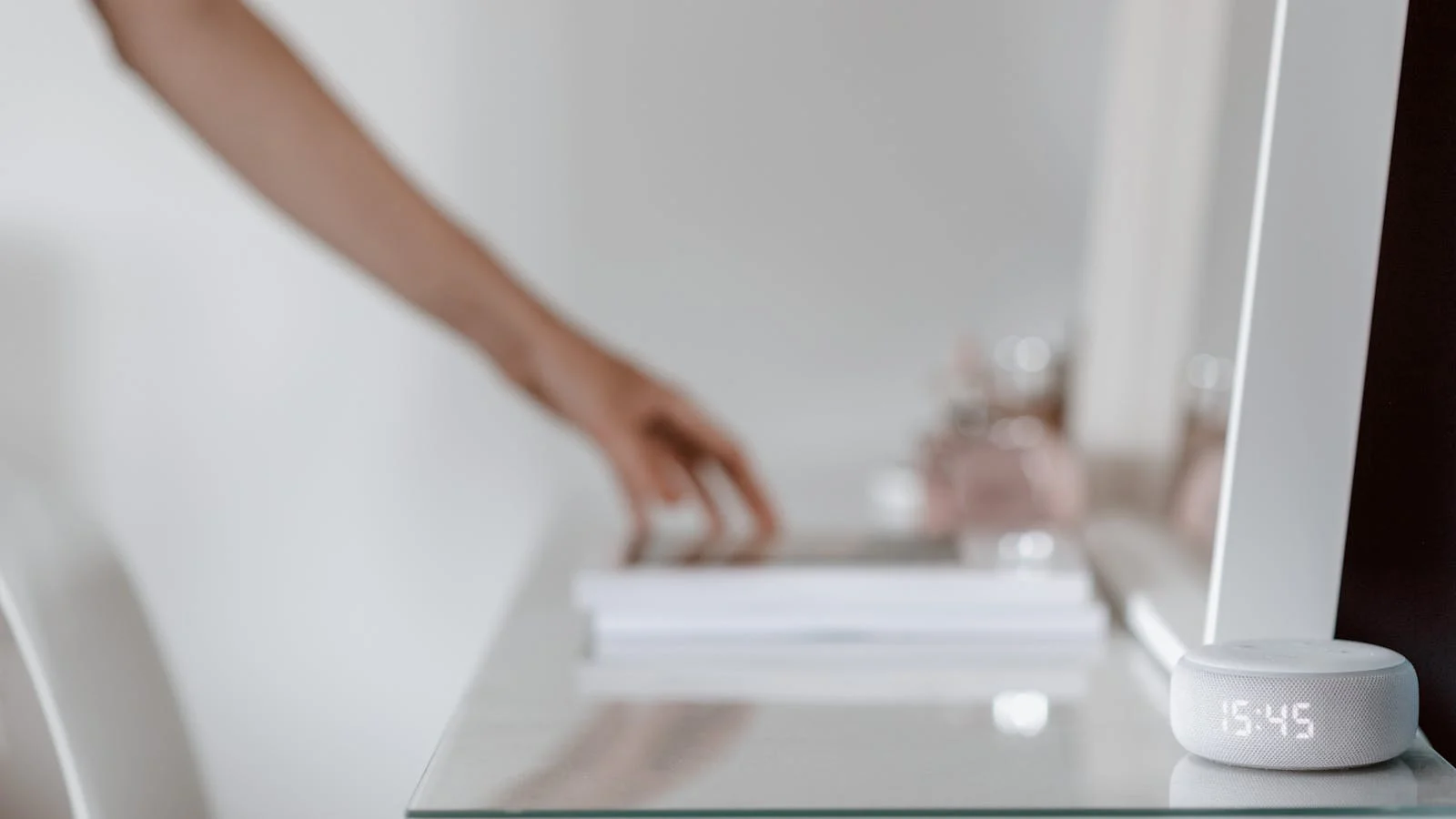
A sunrise alarm and a light therapy lamp both use light, but they are not interchangeable. A sunrise alarm gradually brightens a bedroom to make waking feel less abrupt. A light therapy box is a much brighter, timed exposure used under treatment guidance for conditions such as winter-pattern seasonal affective disorder.
NIMH describes light therapy for winter-pattern SAD as sitting in front of a very bright 10,000-lux light box for about 30 to 45 minutes, usually first thing in the morning. That is a different use case from a bedside sunrise alarm that may peak at a few hundred lux and is placed for comfort, not prescribed exposure.
Sunrise Alarm vs Light Therapy Lamp
| Feature | Sunrise Alarm | Light Therapy Lamp |
|---|---|---|
| Main purpose | Gentler wake-up routine and bedside light. | Clinician-directed bright light exposure for selected conditions. |
| Typical intensity | Often much dimmer than therapy boxes. | Often around 10,000 lux for SAD treatment guidance. |
| How it is used | Gradual ramp before alarm time, usually hands-off while in bed. | Sitting near the light at a specified distance and duration. |
| Eye direction | Indirect room brightening. | Eyes open, but not looking straight into the light source. |
| Medical role | Comfort and routine support. | Treatment tool that should be discussed with a health care provider. |
Who Should Ask First
NIMH says people with certain eye diseases or medications that increase sensitivity to sunlight may need alternative treatments or medical supervision for light therapy. MedlinePlus also notes light therapy side effects such as eye strain or headache and rarely mania, and recommends an eye doctor checkup before starting treatment.
- Ask a qualified clinician before using treatment-level light for depression, SAD, insomnia, delayed sleep phase, shift work disorder, or another diagnosis.
- Use extra caution if you have bipolar disorder, mania or hypomania history, migraine triggered by light, seizure risk, retinal disease, glaucoma, cataracts, or diabetes-related eye disease.
- Check with a clinician or pharmacist if you take medications that increase light sensitivity.
- Do not stare directly into a bright light box.
- Do not buy a sunrise alarm because it appears to promise treatment-level light therapy.
Buying Takeaway
- Buy a sunrise alarm if your goal is a gentler wake-up, softer alarm sound, or phone-free morning routine.
- Buy a light therapy box only if you understand the intensity, UV filtering, distance, timing, and medical cautions.
- For SAD symptoms, depression symptoms, or major sleep timing problems, talk with a health care provider instead of self-treating with a bedside clock.
- Use the sunrise alarm guide for consumer wake-up lights, not medical treatment lamps.
Related Bedroom Air Check
Bedroom devices can compete for outlet space, light, and placement. If you are adding filtration beside a wake-up light or lamp, use the bedroom air purifier buying guide to compare CADR, noise, lights, filter cost, and ozone/ionizer settings.
Track Sleep, Steps, and Routine Fit
If your goal is better sleep and waking consistency, a tracker can help you compare sleep timing, steps, reminders, and wearable comfort before buying. Start with the Activity and Sleep Tracker Buying Checklist, then compare picks in the HealthGlean fitness tracker guide.
Sources And References
We checked these references on May 9, 2026. Product brightness, lux claims, app requirements, alarm behavior, power adapters, and safety instructions can change, so verify the exact product page and manual before relying on a sunrise alarm.
- NIMH seasonal affective disorder
- MedlinePlus seasonal affective disorder
- Mayo Clinic choosing a light therapy box
- NHLBI sleep-wake cycle and light-dark cycle
Informational note: This article is general education and shopping guidance, not medical advice. A sunrise alarm may support a morning routine for some people, but it does not diagnose, treat, cure, or prevent insomnia, depression, seasonal affective disorder, bipolar disorder, circadian rhythm disorders, migraine, seizure disorders, or other health conditions.