Red Light Therapy Wavelength, Irradiance, and Dose Guide
Updated: May 10, 2026.
Red Light Therapy Buying Basics
Start with the full HealthGlean red light therapy guide, then use these explainers to decode light specs, use eye and skin precautions, and set up a conservative home routine.
Red light therapy specs can sound precise while still leaving the most important question unanswered: how much light actually reaches the area you are treating, for how long, and at what distance? Wavelength, irradiance, distance, exposure time, coverage area, skin response, and the device manual all matter. A brighter device is not automatically safer or more effective.
Dose Basics
| Spec | What It Usually Means | Buyer Check |
|---|---|---|
| Wavelength | The light color or range, usually listed in nanometers. | Look for exact values such as 630nm, 660nm, 810nm, or 850nm rather than vague wellness wording. |
| Red light | Visible red light often marketed for surface-level skin routines. | Common facial devices use red ranges such as 630nm or 660nm. |
| Near-infrared | Less visible or invisible light often marketed for deeper exposure. | Treat NIR with extra eye caution because brightness is harder to judge visually. |
| Irradiance | Power density at a stated distance, often shown as mW/cm2. | Compare only when the distance and measurement method are clear. |
| Session time | How long the manual tells you to use the device. | Start with the shortest recommended routine and do not stack sessions. |
| Coverage area | How much body area receives useful light at once. | Small panels and wands need more precise placement than large panels. |
Why Brighter Is Not Always Better
The American Academy of Dermatology notes that dermatologist-office red-light equipment is more powerful than at-home devices. Cleveland Clinic says at-home products may be less powerful than professional devices and may not deliver the results a buyer hopes for. That is a reason to keep expectations realistic, not a reason to chase the brightest panel or longest session.
- Use the product manual as the starting protocol.
- Start with more distance, lower intensity, or shorter time when the device gives you options.
- Do not combine multiple red-light devices on the same area in one routine unless a clinician or the manual clearly supports it.
- Do not treat warm skin, sunburn, irritated skin, open wounds, or newly treated skin as normal test areas.
- Track skin comfort and visible changes weekly, not minute by minute.
- Stop if heat, burning, itching, headache, eye discomfort, or unusual redness appears.
Panel, Mask, Wand, And Belt Dose Differences
| Device Type | Dose Trap | Conservative Setup |
|---|---|---|
| Panel | Standing too close or adding time because the light feels comfortable. | Use the distance and timer in the manual before experimenting. |
| Face mask | Assuming close fit means better results for every face and eye shape. | Use eye guidance, avoid pressure points, and stop if eyes or skin react. |
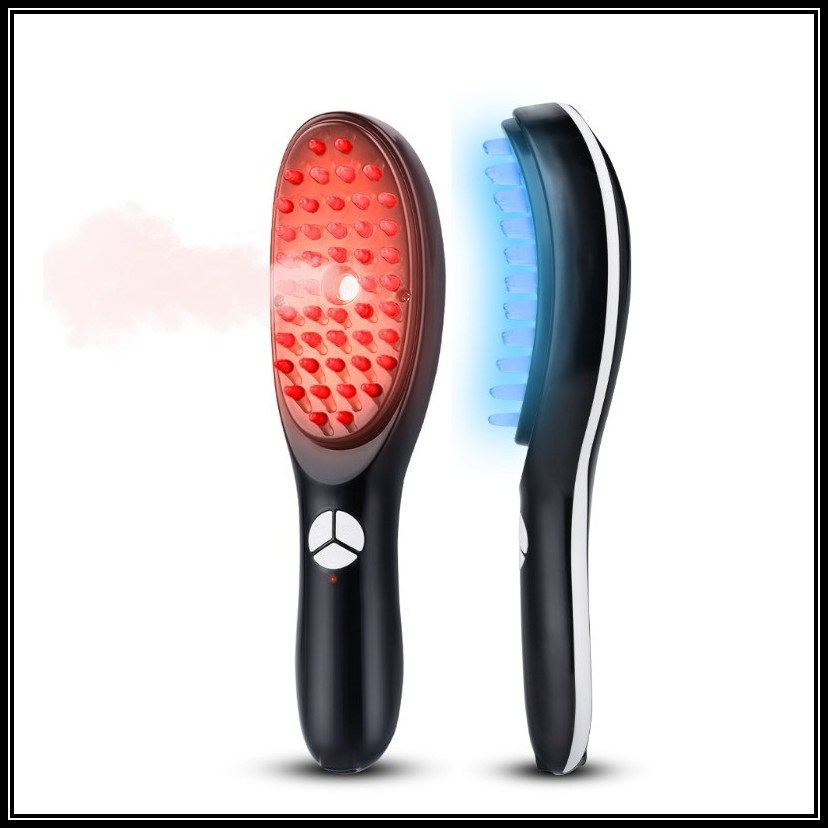
| Wand | Repeating passes until the area feels warm. | Use the per-area time limit and avoid overlapping too much. |
| Belt or wrap | Contact use can make heat and overuse easier to miss. | Use lower brightness, auto shutoff, and never sleep in it. |
| Blue and red combination | Blue light can add eye or skin sensitivity concerns. | Follow mode-specific warnings instead of treating every color the same. |
FDA And Claim Language
FDA general-wellness guidance is about low-risk products that promote healthy lifestyle uses, while FDA 510(k) clearance is a specific medical-device pathway. Do not treat phrases such as FDA registered, FDA listed, FDA cleared, medical grade, clinically inspired, or HSA/FSA eligible as interchangeable. The exact intended use and manual matter more than the phrase on a sales page.
Compare current picks in the red light therapy buying guide. If your main concern is who should avoid use or protect their eyes more carefully, read red light therapy eye, skin, and contraindication cautions.
Sources And References
We checked these references on May 10, 2026. Red-light device wavelengths, irradiance claims, treatment instructions, FDA-clearance language, included eye protection, chargers, warranties, and recall status can change, so verify the exact model, seller, manual, and current safety guidance before buying or using a device.
- American Academy of Dermatology red light therapy guidance
- Cleveland Clinic red light therapy overview
- Cleveland Clinic LED light therapy guidance
- FDA General Wellness: Policy for Low Risk Devices
- FDA 510(k) clearances overview
- Hooga HG300 official product page
- BestQool BQ40 official product page
Informational note: This article is general education and shopping guidance, not medical advice, dermatology care, eye care, physical therapy, wound care, diagnosis, or treatment guidance. Consumer red light devices may support some home wellness or appearance routines, but they do not diagnose, treat, cure, or prevent disease.