
Exercise Mat Thickness and Materials Guide
Updated: May 9, 2026.
Exercise Mat Buying Basics
Start with the full HealthGlean exercise mat guide, then use these explainers to match thickness and material, keep grip consistent, and replace worn mats before they become distracting or unsafe.
Exercise-mat thickness is only part of comfort. Density, surface texture, material, size, and how the mat behaves under your feet matter just as much. A thick soft mat can feel good for kneeling but wobbly for standing balance, while a thinner dense mat can feel more stable but less cushioned on hard floors.
Thickness And Material Tradeoffs
| Mat Type | Best Fit | Watch Out |
|---|---|---|
| 3-4 mm travel or yoga mat | Portability, flow yoga, and firm floor feel. | Less knee cushioning and less comfort for long floor work. |
| 5-6 mm dense yoga mat | A balanced choice for yoga, stretching, and mixed home workouts. | Dense mats can be heavier and may need break-in or careful cleaning for grip. |
| 8-10 mm foam fitness mat | Floor exercises, stretching, and extra knee comfort. | Can feel unstable for lunges, balance work, and fast transitions. |
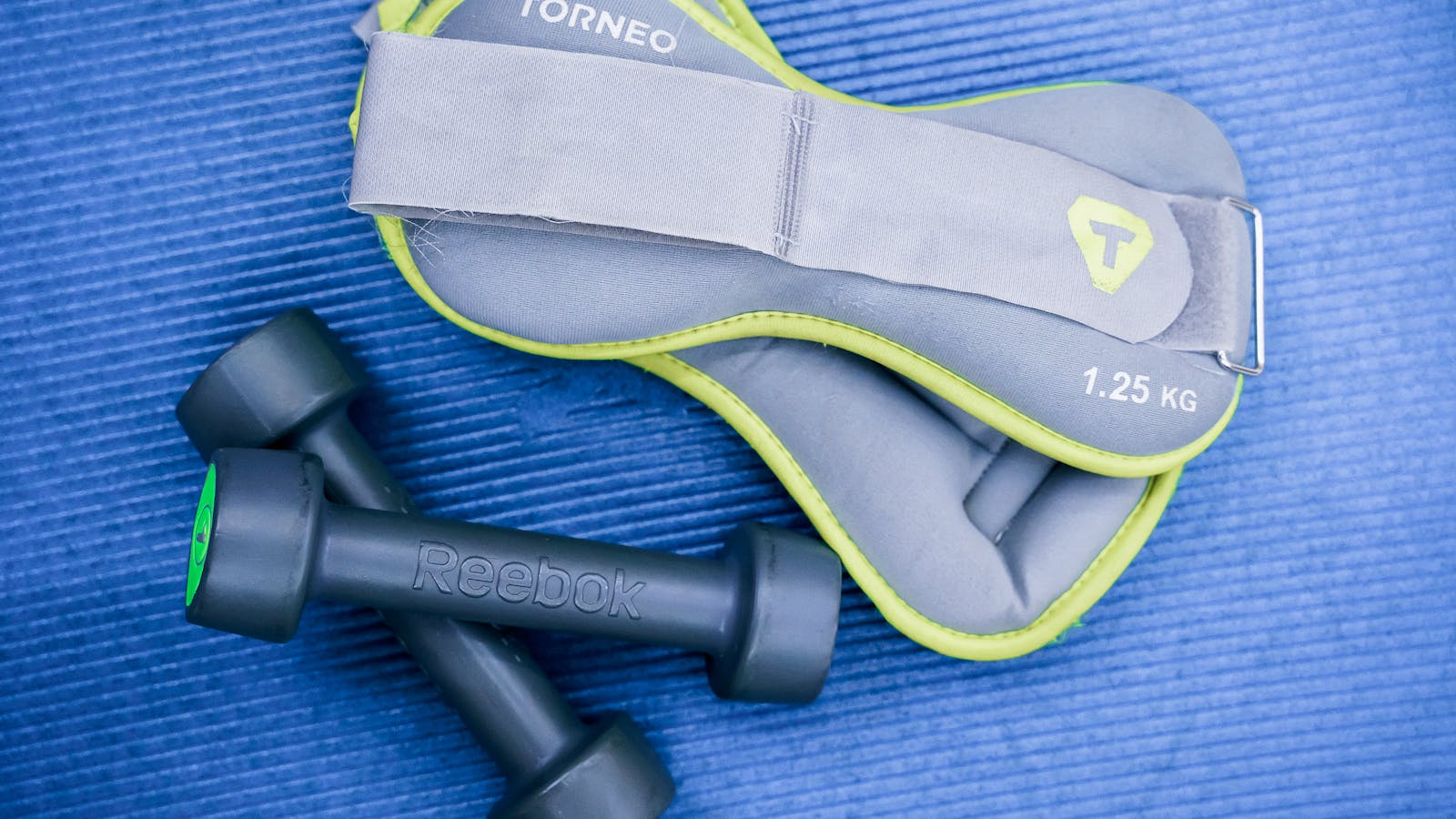
| 1/4 inch large workout mat | Bodyweight circuits, resistance bands, and light dumbbell zones. | Not a substitute for heavy equipment flooring or fall protection. |
| 1-2 inch folding mat | Extra floor padding for low-impact floor drills. | Bulky, less stable for standing work, and often too soft for yoga balance. |
Material Shortlist
- PVC: often dense and durable, but material preference and odor vary by user.
- Natural rubber: can grip well and feel grounded, but may bother latex-sensitive users and usually needs careful drying and storage.
- TPE: often lighter and softer, but durability and grip vary widely by brand.
- NBR foam: comfortable and affordable for floor work, but often less stable for standing workouts.
- Vinyl-covered folding mats: easy to wipe down, but seams and storage bulk matter.
- Cork or textile tops: can feel pleasant under sweat, but cleaning rules are more material-specific.
How To Choose
- Choose thinner and denser for standing yoga, balance, and stable footwork.
- Choose thicker and softer for kneeling, stretching, Pilates-style floor work, and sensitive joints.
- Choose a large mat when stance width, resistance bands, or light dumbbell circuits need more floor space.
- Measure the floor space and storage space before buying a large roll-out or folding mat.
- Check material labels if you have latex, rubber, fragrance, or odor sensitivity.
- Treat certifications as specific claims, not blanket proof that every environmental or health claim is true.
Claims To Read Carefully
FTC guidance says environmental and non-toxic claims should be truthful, specific, and supported. OEKO-TEX Standard 100 refers to testing textiles for harmful substances, but it is not the same thing as proving a mat is organic, biodegradable, plastic-free, or ideal for every sensitive user.
Compare current picks in the exercise mat guide. If grip and cleaning are your main concerns, read exercise mat cleaning, non-slip, and odor safety.
Sources And References
We checked these references on May 9, 2026. Exercise-mat materials, thickness, density, surface texture, grip coatings, cleaning directions, disinfectant compatibility, certification claims, and warranties can change, so verify the exact product page and care label before buying or cleaning a mat.
- FTC environmental claims summary of the Green Guides
- OEKO-TEX Standard 100 product information
- MedlinePlus latex allergy
- Mayo Clinic stretching and flexibility guidance
- CDC adult physical activity overview
Informational note: This article is general education and shopping guidance, not medical advice. Exercise mats may make some home workouts more comfortable, but they do not diagnose, treat, cure, or prevent injury, pain, balance problems, skin irritation, allergy, infection, or other health conditions.