White Noise Machine Safe Volume and Distance Guide
Updated: May 9, 2026.
White Noise Machine Buying Basics
Start with the full HealthGlean white noise machine guide, then use these explainers to set volume safely, choose a sound type, and know when to replace or stop using a machine.
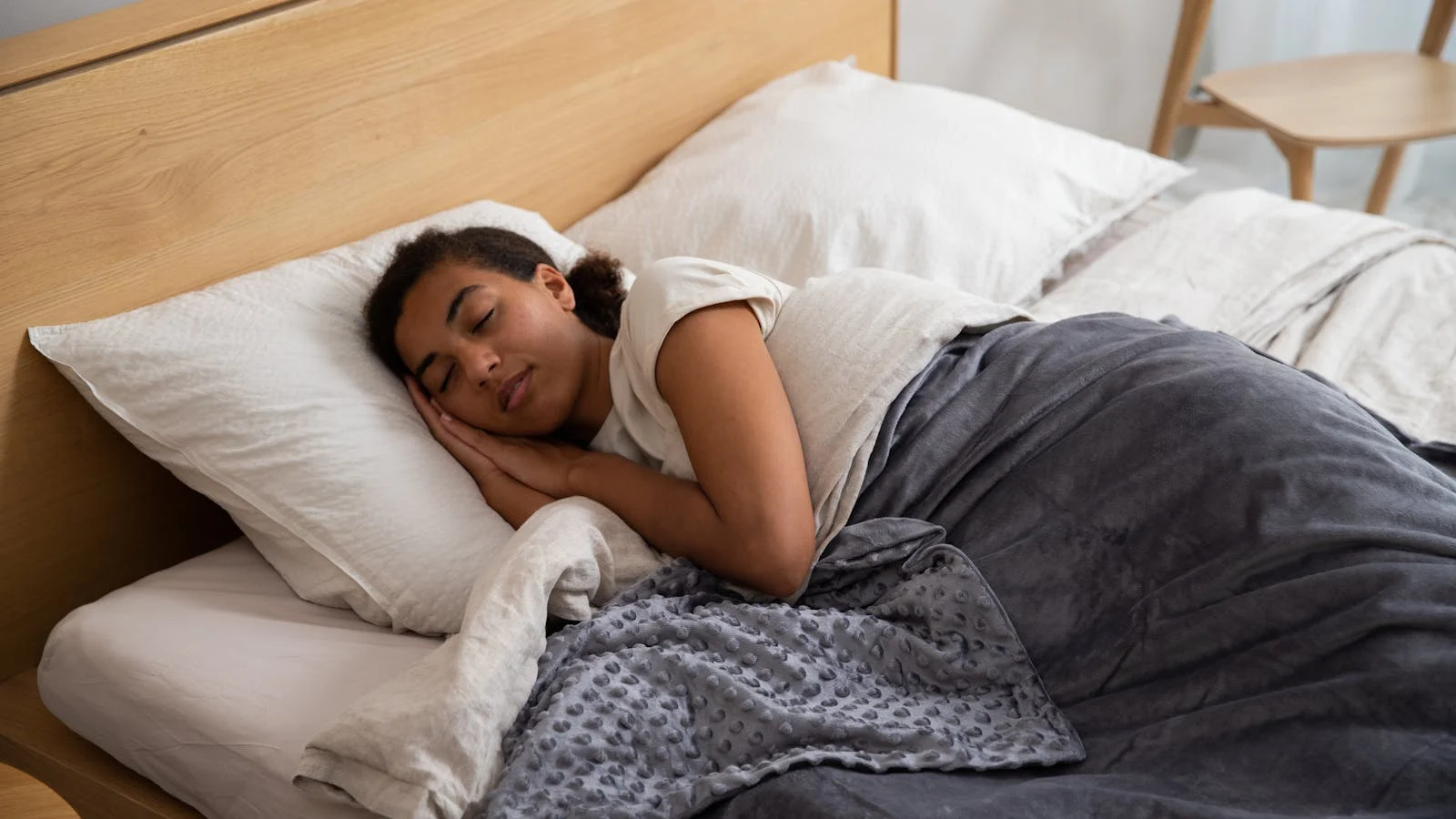
A white-noise machine should be a gentle masking layer, not the loudest sound in the room. If you need a high setting to cover traffic, hallway noise, or a crying baby, the better fix may be distance, sealing gaps, curtains, a fan or air purifier, or a different room setup.
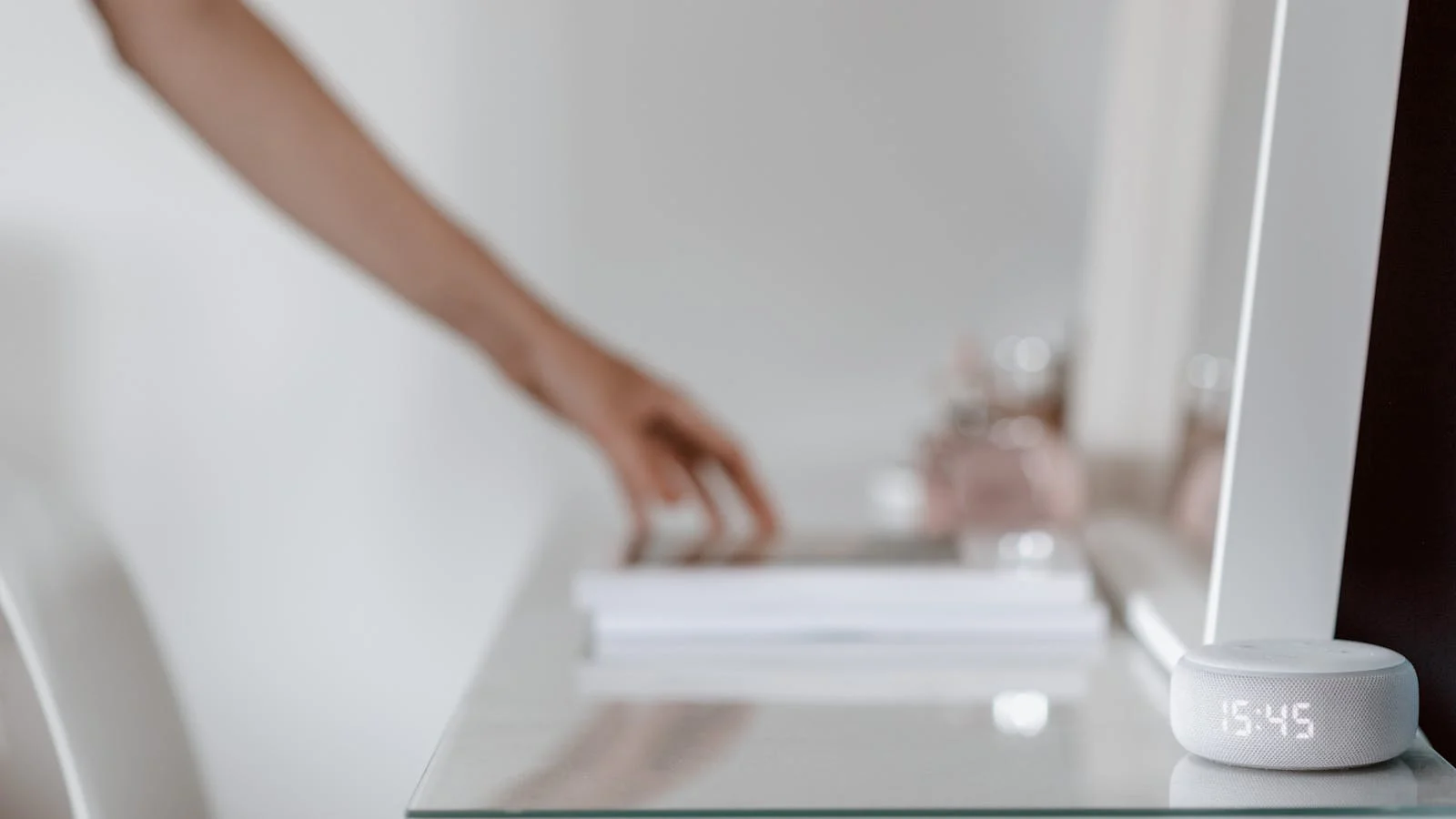
The two controls that matter most are volume and placement. Lower the volume first, move the machine farther from ears second, and use a timer when continuous sound is not needed all night.
Safe Volume And Placement Checklist
- Use the lowest volume that masks the distracting sound enough to relax or focus.
- Place the machine across the room, not beside an ear, pillow, crib rail, bassinet, or child's head.
- Avoid maximum volume for sleep, especially for babies, children, and all-night use.
- Use a timer or auto-off setting if the device is only needed for settling down.
- Measure at the listener's ear position if you are unsure; distance and room surfaces change the level.
- Stop or turn it down if the sound causes ringing, ear fullness, headache, irritation, or worse sleep.
Volume Reference Points
| Reference | How To Use It |
|---|---|
| NIDCD: everyday sound averaging around 70 dBA or lower is considered safe for most people | Treat this as a practical upper boundary for ordinary all-day background sound, not a target for bedtime. |
| CDC NIOSH: 85 dBA averaged over an 8-hour workday is the occupational recommended exposure limit | Do not use an occupational limit as a bedtime goal, especially around children. |
| NIDCD: louder sounds damage hearing faster | If the machine seems loud, move it away, turn it down, or stop using it. |
| AAP: children have unique vulnerabilities to noise | Use extra caution with infants, toddlers, children, and teens. |
Babies And Children
AAP describes infant sleep machines as white-noise machines used in infant rooms and notes that internet advice may encourage loud use. AAP also reviewed research where infant sleep machines at maximum volume were measured at multiple distances, and the study raised concern about hazardous sound levels.
- Do not put a sound machine in a crib, bassinet, stroller bassinet, or on a crib rail.
- Keep it as far from the child as practical while still useful.
- Use the lowest effective setting, not the most powerful one.
- Avoid using it to cover unsafe sleep conditions, illness, breathing trouble, or persistent crying that needs care.
- Ask a pediatrician if a child has hearing concerns, sound sensitivity, developmental concerns, or sleep problems.
After setting a conservative volume, compare current products in the HealthGlean white noise machine guide. If the sound itself is the issue, read white noise vs pink noise vs brown noise.
Related Bedroom Air Check
If a purifier will run while you sleep, consider airflow noise like any other bedroom sound source. Before choosing a model, compare a quiet air purifier for bedroom night use by low-speed noise, lights, CADR fit, and filter cost.
Sources And References
We checked these references on May 9, 2026. Product volumes, speaker output, timers, apps, power supplies, and safety instructions can change, so verify the exact product page and manual before using a white-noise machine overnight.
- NIDCD how loud is too loud
- NIDCD how sound is measured
- CDC NIOSH noise-induced hearing loss
- AAP preventing excessive noise exposure in infants, children, and adolescents
- AAP Pediatrics infant sleep machines and hazardous sound pressure levels
Informational note: This article is general education and shopping guidance, not medical advice. A white-noise machine may mask distractions for some people, but it does not diagnose, treat, cure, or prevent insomnia, tinnitus, anxiety, sleep apnea, hearing loss, infant sleep problems, or other health conditions.